

Whenever you enter a new market, you open your business to risk. For many in our sector, they start at a farmer’s market or craft show and the feedback is direct and immediate. Customers talk to you and may even consume the product as you watch. The loop between what you make and who you sell it to is tight and as a result, it is relatively easy to adapt and meet customer demand.
After farmer’s markets and craft shows, the next step is often a local retailer. Sobey’s, Co-op, and Vita Health all have robust and simple local programs that provide an entry point for companies trying to break into the retail market. The transition to this phase is big: you need nutritional fact tables, professional packaging, and you are no longer speaking to or meeting with your customers. Enter the world of marketing and social media.
At some point, with a combination of determination and luck, demand keeps growing and you are ready to expand into multiple retail locations and start to think about leaving the province. It is at this point where production starts to become about logistics, distribution, shelf life, and large-scale marketing. It is also vital that you understand your demographics, where they shop, and what distribution looks like.
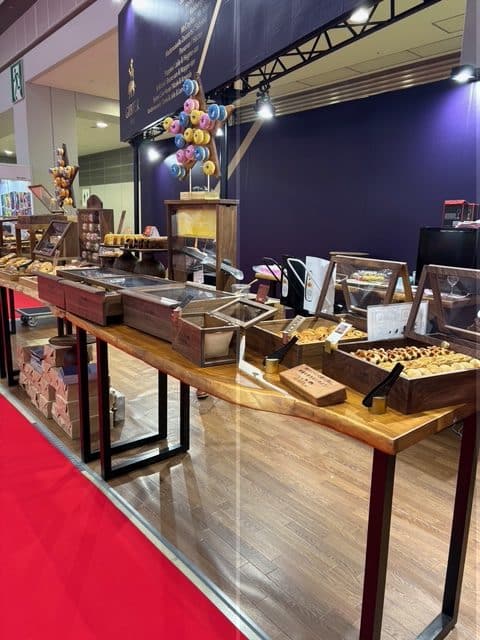
In Canada, our retail market is very different than many other countries. Unlike the United States or many European companies, retail in Canada is defined by our geography and population. Long distances, diffuse populations (especially here in the Prairies), and distribution networks can mean that suddenly you are more concerned with how your product moves around rather than how it’s made or what it tastes like. New food safety systems need to be in place plus audit trails, and you need the ability to initiate a recall in short order.
If you are persistent and lucky and have grown large enough, at this point you are probably beginning to think about export. For years, the answer was obvious: look south. With over 300 million consumers a mere 200 km or less from our cities, similar regulatory and labeling requirements, and integrated supply chains, export into the United States could often happen before widespread Canadian distribution for many companies.
The simplicity of those days is no longer here, and many people, for good reason, are looking elsewhere.
In Manitoba, Japan has been a tempting market. With established trust and markets for pork, canola, and many other products, Japan is already an important trading partner and trusts Canadian products as high quality, sustainable, and safe. It views Canada is a reliable partner, and the consumers are affluent, health conscious, and willing to pay for quality products.
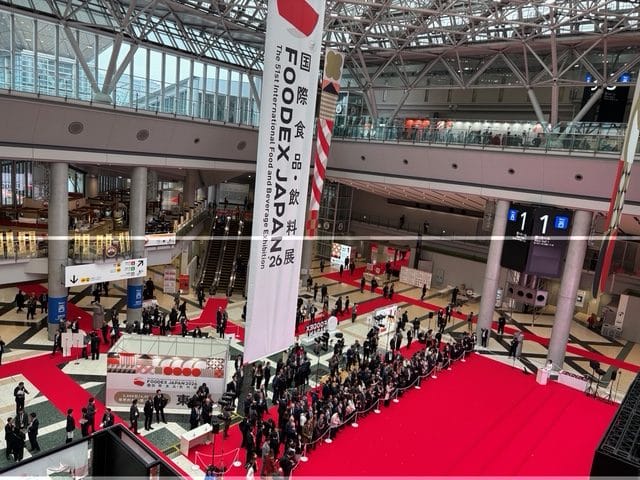
When I arrived at FoodEx in Tokyo, I was struck by the diversity of vendors and products being sold. With over 600 vendors, tens of thousands of participants, spanning several levels, I felt like I had entered a mini city devoted to food. It can be hard to justify the expense of traveling to conferences and shows like this, especially early on when you may not be ready to display anything. In fact, I think this is the best time to go, not as a company selling its products, but as someone walking the show and trying to learn as much as possible.
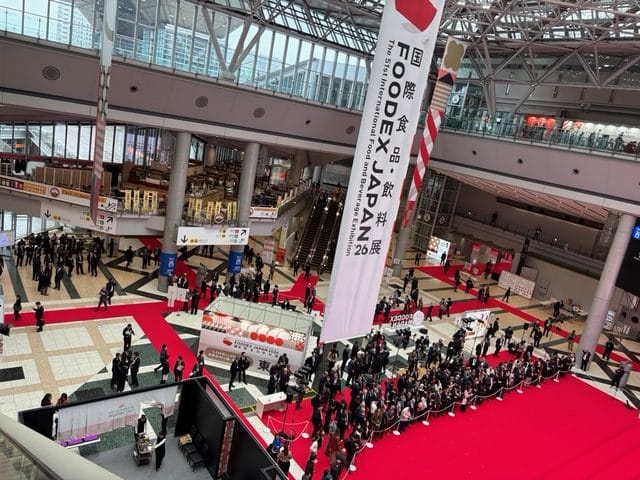
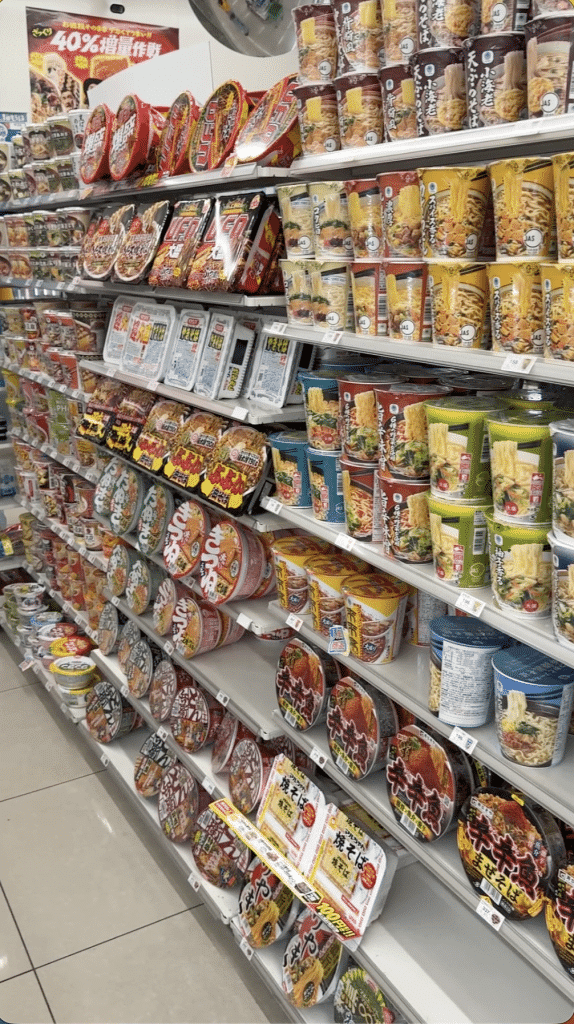
In addition to walking the show and learning about what companies are selling and looking for, this is precisely the time to look around like a tourist and soak in every difference you see. When it comes to the Japanese retail market, it couldn’t be more different than Canada’s. Yes, you will find Costco and large supermarkets in Japan, but they are not ubiquitous. Like many Europeans, Japanese people aren’t accustomed to shopping for a whole week and packing a giant fridge and pantry full of food for the week. In Tokyo, that is literally impossible. Daily shopping is normal, and so is popping into a specialty shop, corner store, or local market.
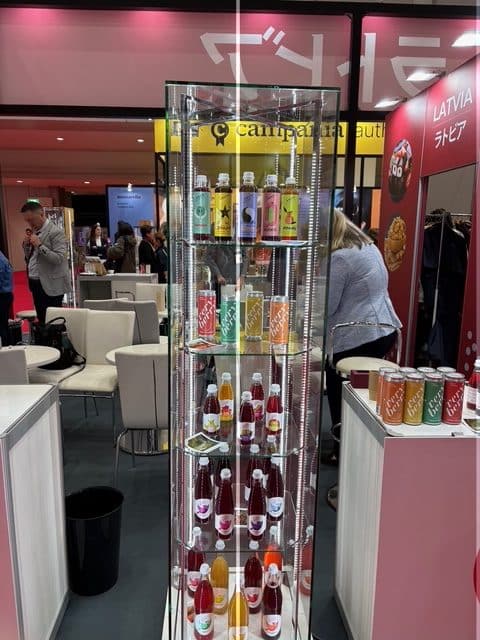
In Canada, five companies control 80% of the retail environment. This means that if you do well in the Sobey’s local program, there is a built-in pathway to national distribution that builds upon your success in one region. It can also mean that breaking in might be impossible.
In Japan, there are hundreds of independent retailers. On the one hand, this means you have choice and several paths. On the other, getting to know those retailers, their distributors, terms, and so on can be a nightmare.
Investing in attending a show like FoodEx is about starting down the road of discovery. Exporting into a new market is full of risks and rewards. One way you can mitigate that risk is by doing your research. Our partners such as World Trade Center and Global Affairs Canada can help you with formal research reports that detail market trends, consumer behaviour, and the like. This is invaluable and you should understand the market by the numbers.
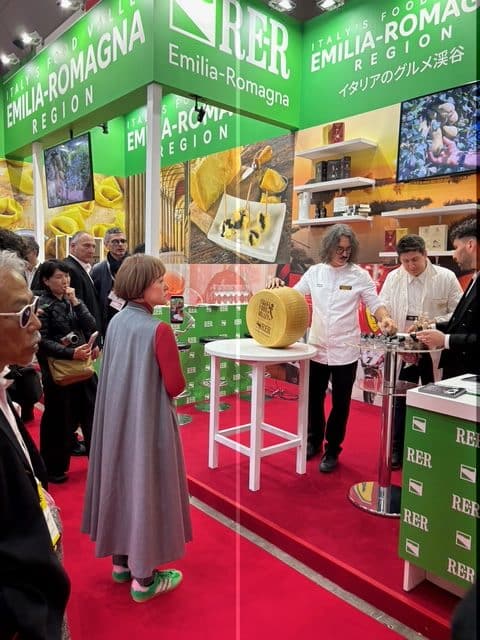
But equally important is having a sense of how people shop, the kinds of habits that make up their purchasing decisions, and the real constraints and cultural norms that will shape how you launch your product. Spending some time walking around grocery stores, convenience stores, visiting markets, and seeing where locals eat, is part of this journey and one of the best reasons to go to a show like FoodEx. The intangible cultural lessons you learn can make the difference between understanding product/market fit and successfully launching a product in a new market or having years of work go up in smoke.
Latest & Greatest
Recent stories
Now Hiring: SQF Practitioner (Elman’s Foods)
Elman’s Foods is hiring: SQF Practitioner Job summary The SQF practitioner is responsible for overseeing the implementation, maintenance, and continuous…
Understanding your retail market in all its complexities
Whenever you enter a new market, you open your business to risk. For many in our sector, they start at…
Convenience Culture in Japan
One of the first things most visitors notice when they arrive in Japan is the ubiquity of convenience stores and…
Become a Member
Join Us
We want to work with you and your business in every way we can to strengthen your creative and competitive capacity in Manitoba’s food and beverage industry.